Product Goal Examples for Scrum Teams
See how Product Goals can move beyond feature lists and give the Product Backlog clearer direction through realistic Scrum examples.
Questo articolo è disponibile in inglese. Stai visualizzando la versione in inglese.
In questa pagina
Ultima revisione:
What This Resource Covers
This resource gives Product Goal examples you can adapt with your Scrum Team. It starts with a short explanation of what a Product Goal is, then focuses on examples and why they work.
The examples show how a Product Goal gives direction to product decisions, Product Backlog ordering, Sprint Planning conversations, and stakeholder alignment.
What Is a Product Goal?
According to the Scrum Guide, the Product Goal describes a future state of the product that can serve as a target for the Scrum Team to plan against. It is the commitment for the Product Backlog.
That matters because a Product Backlog without a Product Goal easily becomes a queue of requests. Stakeholders ask for features, users report problems, managers push deadlines, and the Product Owner is left ordering a list without a clear direction.
Discovery, stakeholder conversations, and product strategy still matter. The Product Goal gives the Scrum Team a target that helps them decide what belongs in the Product Backlog now, what can wait, and what no longer fits.
Product Goal, OKRs, and Evidence-Based Management
Product Goals and OKRs can work together, but they answer different questions.
The Product Goal gives product direction. OKRs can help express the outcomes that would show whether the team is moving in that direction. For example, the Product Goal might describe a product becoming easier for new customers to adopt. The OKRs might track activation, time to first value, or retention among new customers.
Evidence-Based Management can also help. The Scrum.org Evidence-Based Management Guide describes Evidence-Based Management as a way to improve outcomes by looking at evidence across areas such as Current Value, Unrealized Value, Ability to Innovate, and Time-to-Market. Those ideas are useful when you inspect whether a Product Goal is actually moving the product in a better direction.
Keep the order clear: the Product Goal gives product direction. OKRs and evidence help you inspect whether that direction is producing value.
What Makes a Product Goal Effective?
A useful Product Goal usually has these qualities:
- It describes a future state of the product, not a feature list.
- It is connected to value for users, customers, or the organization.
- It gives the Product Backlog a clear ordering logic.
- It is broad enough to guide several Sprints.
- It is specific enough to help the team make trade-offs.
- It can be inspected through evidence, beyond opinions.
A weak Product Goal often sounds like a project plan: "launch feature X," "complete migration Y," or "deliver phase 2." Those may be useful Product Backlog items, milestones, or initiatives, but they often leave the product direction unclear.
Product Goal Examples
1. SaaS onboarding
Context: A B2B SaaS product gets many trial signups, but new users often leave before setting up their first workflow.
Weak version:
Launch the new onboarding flow.
Better Product Goal:
New trial customers can set up their first working workflow without help from Customer Success.
Why it works:
This goal describes the future state behind the onboarding work. It gives the Scrum Team room to discover what actually prevents activation. The answer might include better defaults, clearer setup steps, sample data, in-product guidance, changes to pricing, or better error handling.
It also helps the Product Owner order the Product Backlog. Work that reduces friction before first value becomes more important than generic improvements to the settings page.
Possible evidence:
- More trial users complete the first workflow.
- Time to first value decreases.
- Fewer new users need manual setup support.
- Activation improves for the target customer segment.
2. Customer self-service
Context: A company receives a high number of support tickets from customers who want to change basic account information, download invoices, or check subscription details.
Weak version:
Build a customer portal.
Better Product Goal:
Customers can manage their most common account tasks without contacting support.
Why it works:
"Build a customer portal" jumps straight to a solution. The better Product Goal keeps the team focused on the customer outcome. It also leaves space to decide which tasks matter most and whether all of them need a portal.
The Product Backlog can now be ordered around real support demand. If invoice downloads create the most tickets, that may come before profile editing. If subscription changes are risky, the team may start with visibility before self-service changes.
Possible evidence:
- Support tickets for selected account tasks decrease.
- Customers complete account tasks without agent intervention.
- Support agents spend less time on repetitive requests.
- Customer satisfaction improves after self-service interactions.
3. Healthcare appointment booking
Context: Patients can book appointments online, but many choose the wrong appointment type and then need to be rebooked by staff.
Weak version:
Improve appointment booking.
Better Product Goal:
Patients can choose the right appointment type with enough confidence that staff rarely need to correct the booking.
Why it works:
This Product Goal brings the problem to life. Patients need enough guidance to make a good choice in a situation where they may not know the clinic's terminology.
That changes the Product Backlog conversation. The team might explore plain-language appointment descriptions, triage questions, warnings for common mistakes, or follow-up confirmation messages. The goal keeps the work anchored in patient confidence and operational reliability.
Possible evidence:
- Fewer bookings need manual correction.
- Patients report higher confidence during booking.
- Staff spend less time rebooking appointments.
- Appointment slots are used more appropriately.
4. Internal claims workflow
Context: An insurance company has an internal claims tool. Claims handlers use spreadsheets outside the product because the tool does not make case status clear enough.
Weak version:
Replace the claims spreadsheet.
Better Product Goal:
Claims handlers can understand the status, next action, and risk of each active case inside the product.
Why it works:
The weak version treats the spreadsheet as the problem. The better version explains why the spreadsheet exists. People are using it because the product does not give them enough visibility or control.
This helps the Scrum Team avoid copying the spreadsheet into the product. Instead, they can look at what decisions claims handlers need to make during the day and what information helps them act with confidence.
Possible evidence:
- Spreadsheet usage decreases.
- Claims handlers update case status inside the product.
- Fewer cases become stuck without a clear next action.
- Managers need fewer manual status reports.
5. B2B analytics decision support
Context: A reporting product shows many dashboards, but customers still export data to make important decisions elsewhere.
Weak version:
Add more dashboard widgets.
Better Product Goal:
Product leaders can identify which customer segment needs attention without exporting data from the product.
Why it works:
This goal focuses on a decision the product should support. The Product Backlog might include segmentation, better comparison views, alerting, saved analysis, or clearer definitions of product metrics.
It also creates useful trade-offs. A visually impressive dashboard matters less than helping product leaders answer a real question they already care about.
Possible evidence:
- Fewer exports are needed for segment analysis.
- Users return to the same analysis view repeatedly.
- Product leaders make prioritization decisions using the product.
- Customer interviews show clearer understanding of segment performance.
6. Marketplace trust and repeat purchase
Context: A marketplace attracts first-time buyers, but many do not return because they are unsure whether sellers are reliable.
Weak version:
Add seller ratings.
Better Product Goal:
First-time buyers can recognize trustworthy sellers before placing an order.
Why it works:
Seller ratings might be part of the answer. The Product Goal is buyer confidence before purchase.
That opens better product thinking. The team may explore verified profiles, delivery history, refund signals, better product photos, clearer seller policies, or post-purchase feedback. The Product Goal helps the Product Owner order work around trust rather than around a single feature idea.
Possible evidence:
- Repeat purchase rate improves among first-time buyers.
- Fewer orders are abandoned after viewing seller details.
- Buyers say they understand why a seller is trustworthy.
- Disputes or avoidable cancellations decrease.
7. AI-assisted support
Context: A support product introduces AI suggestions for agents, but the organization is worried about inaccurate answers and inconsistent tone.
Weak version:
Launch AI support suggestions.
Better Product Goal:
Support agents can use AI-generated draft responses while staying accurate, consistent, and in control of the final answer.
Why it works:
This Product Goal keeps AI in service of agent work. It describes the working condition the product should create for support agents. The team can now balance speed, quality, trust, and control.
The Product Backlog might include source references, confidence indicators, tone guidelines, approval flows, feedback loops, or analytics on edited suggestions. The goal keeps the team from optimizing only for automation volume.
Possible evidence:
- Agents resolve selected ticket types faster.
- Drafts require fewer corrections over time.
- Quality review scores remain stable or improve.
- Agents report that suggestions are useful rather than distracting.
8. Public-sector application tracking
Context: Citizens apply for a permit online, but they often call the office because they do not know what is happening after submission.
Weak version:
Add application status tracking.
Better Product Goal:
Applicants can understand where their application is, what is blocking it, and when they need to act.
Why it works:
The better goal goes beyond showing a status label and focuses on the applicant's need for clarity. "Pending" may be technically accurate, but it may not help if the applicant does not know whether they are waiting, missing a document, or expected to do something.
This goal helps the team design around transparency and action. The Product Backlog might include clearer status language, missing-document prompts, estimated review windows, notifications, or staff-side workflow changes that keep the applicant view accurate.
Possible evidence:
- Fewer applicants call to ask for status updates.
- Applicants complete missing actions faster.
- Staff spend less time explaining process steps.
- User research shows applicants understand what happens next.
Product Goal Examples That Are Too Weak
Some Product Goals are weak because they sound specific while leaving real product direction unclear.
Feature list
Add saved searches, alerts, and export options.
This may be useful backlog content. A strong Product Goal also explains the future state the team is trying to create.
Project milestone
Complete phase 2 of the platform migration.
This may matter technically. A stronger Product Goal would explain the product capability or customer outcome made possible by the migration.
Vague aspiration
Become the best product in the market.
This is too broad to guide Product Backlog ordering. It leaves out the customers, the problem, and the evidence that would show progress.
KPI without product direction
Increase retention by 10%.
This may be a useful objective or key result. By itself, it lacks product direction. A Product Goal should help the team understand what kind of product change could create that retention improvement.
How to Use These Examples With Your Team
A useful way to write a Product Goal is to start with the product situation before trying to write the sentence.
Ask:
- What future state would make this product more valuable?
- Who would notice the difference?
- What decisions should this goal help us make in the Product Backlog?
- What evidence would tell us we are moving in the right direction?
- Which feature ideas are only one possible path rather than the goal itself?
Then draft the Product Goal in plain language. If the sentence sounds like a roadmap item, step back. If it sounds like a business metric with no product direction, step back again. A useful Product Goal should help the Scrum Team talk about value, trade-offs, and learning.
Related Training
Agile Way offers public and private Professional Scrum Product Owner courses. The course helps Product Owners connect Scrum accountability, Product Goal, Product Backlog ordering, stakeholder conversations, and value-driven decisions.
If you are preparing for certification, you may also find How to Pass the PSPO I Certification Exam useful.
Summary
Product Goal examples are useful when they show more than polished wording. A strong Product Goal:
- describes the product outcome the team is trying to create
- gives the Product Backlog direction
- can be inspected through evidence
The best Product Goals are specific enough to guide decisions, but open enough to leave room for discovery. They help the Scrum Team move from "what should we build next?" to "what product outcome are we trying to create?"
Domande frequenti
Continua a imparare

Riferimento
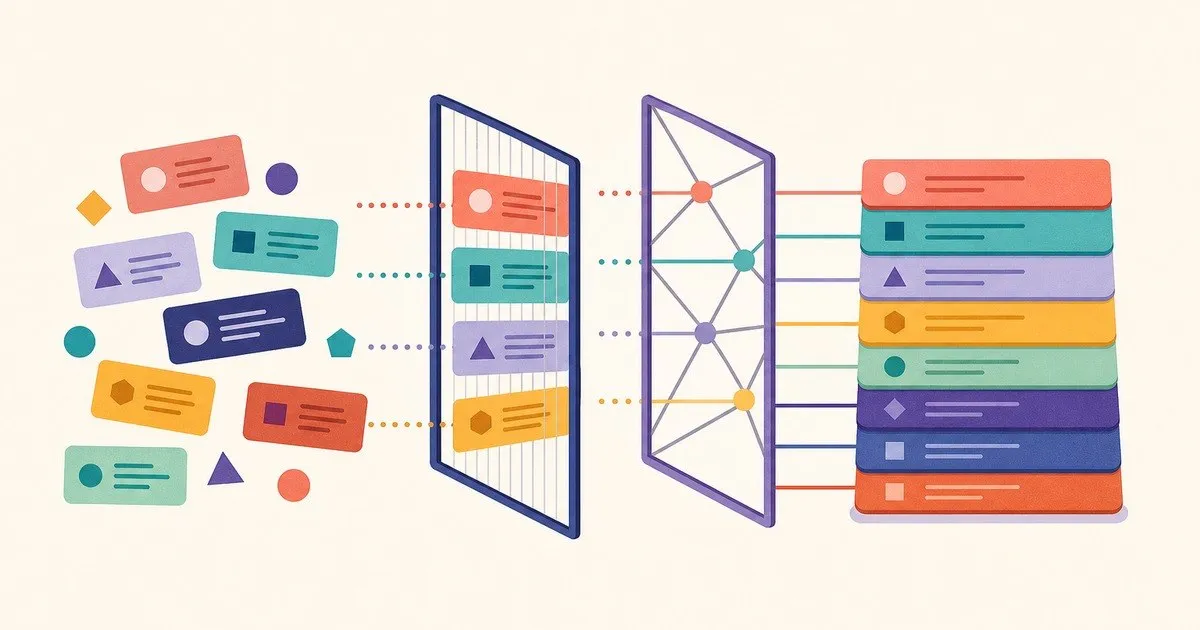
Product Vision That Works: 7 Examples
See how to write a Product Vision that guides Product Goal decisions. 7 examples across industries.
Riferimento
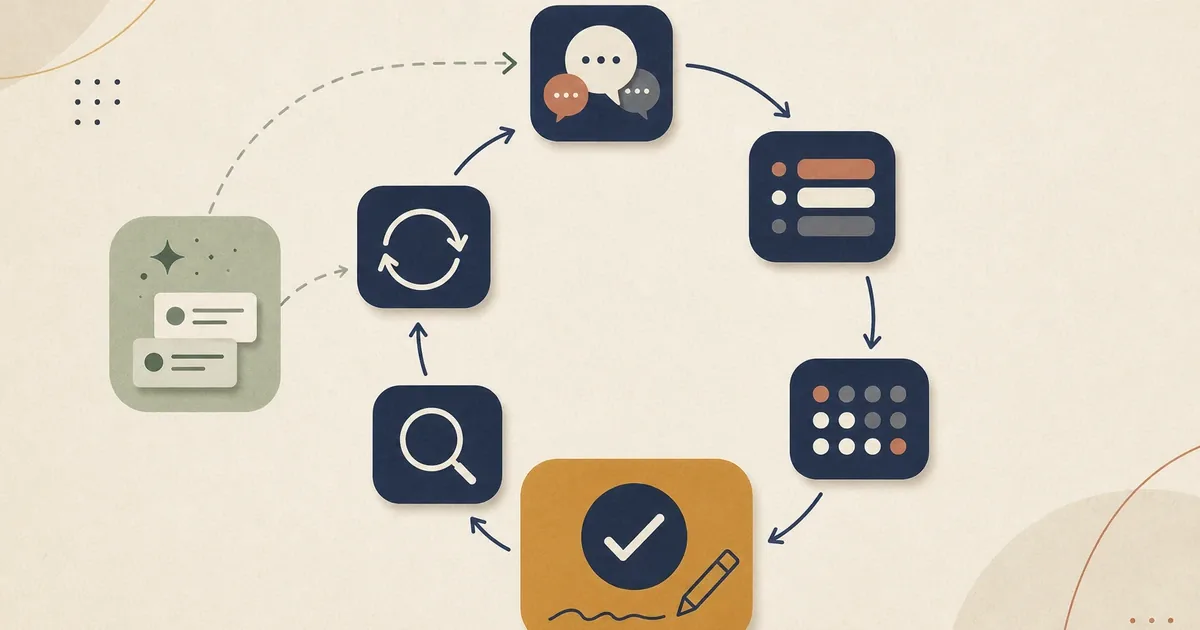
Product Backlog Examples for Better Ordering
Product Backlog examples that show how ordering, refinement, and Product Goal alignment turn a list of work into a useful decision tool.
Guida
AI for Product Owners: A Method for Better Daily Decisions
A four-step method for accountable AI-assisted Product Owner decisions: frame the decision, bound the context and data, challenge the output, validate evidence and decide.
Pronto ad andare oltre la guida?
Fai il passo successivo con una formazione Professional Scrum pratica guidata da un trainer esperto.